Jamaican Food in Denver: A Caribbean Taste in the Mile High City
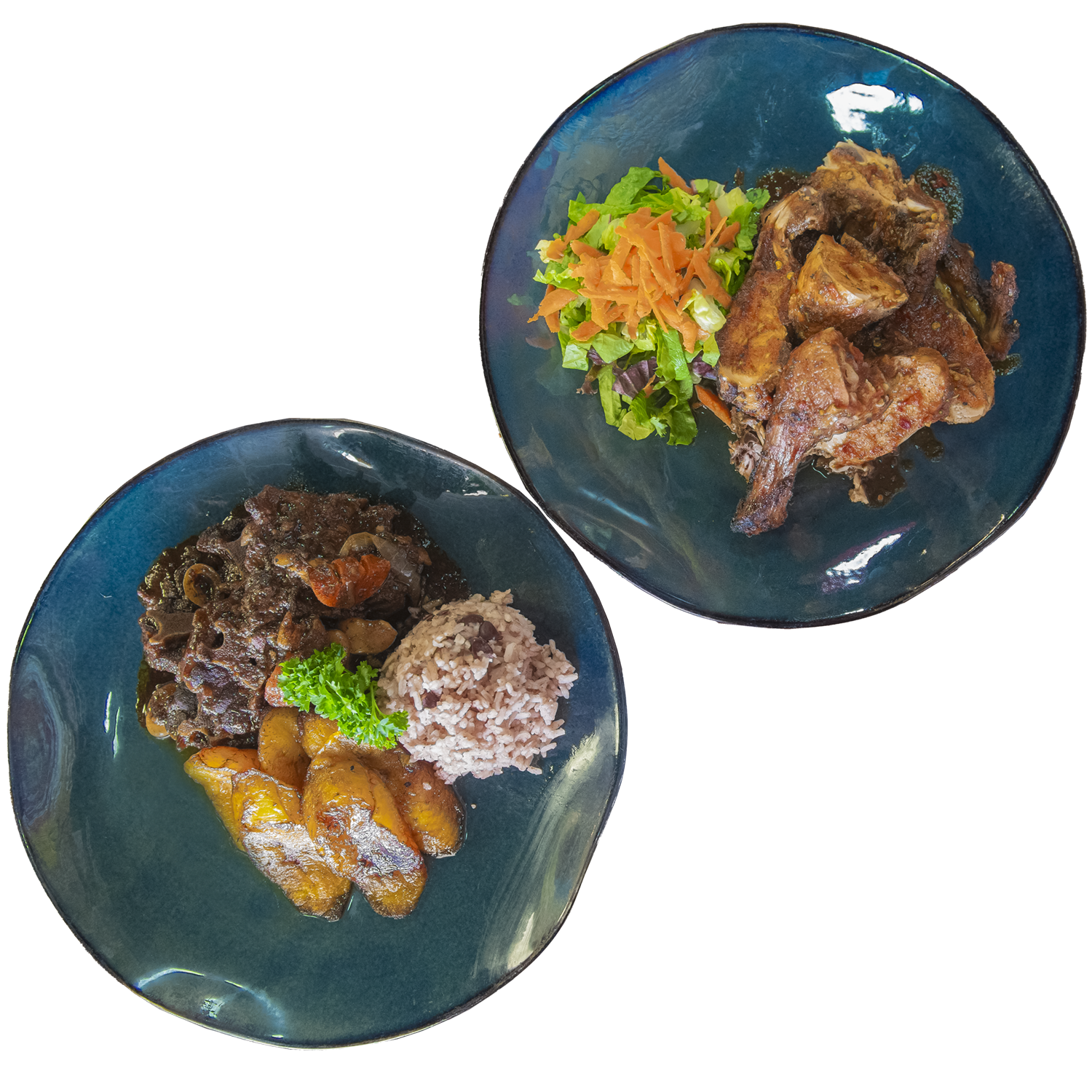
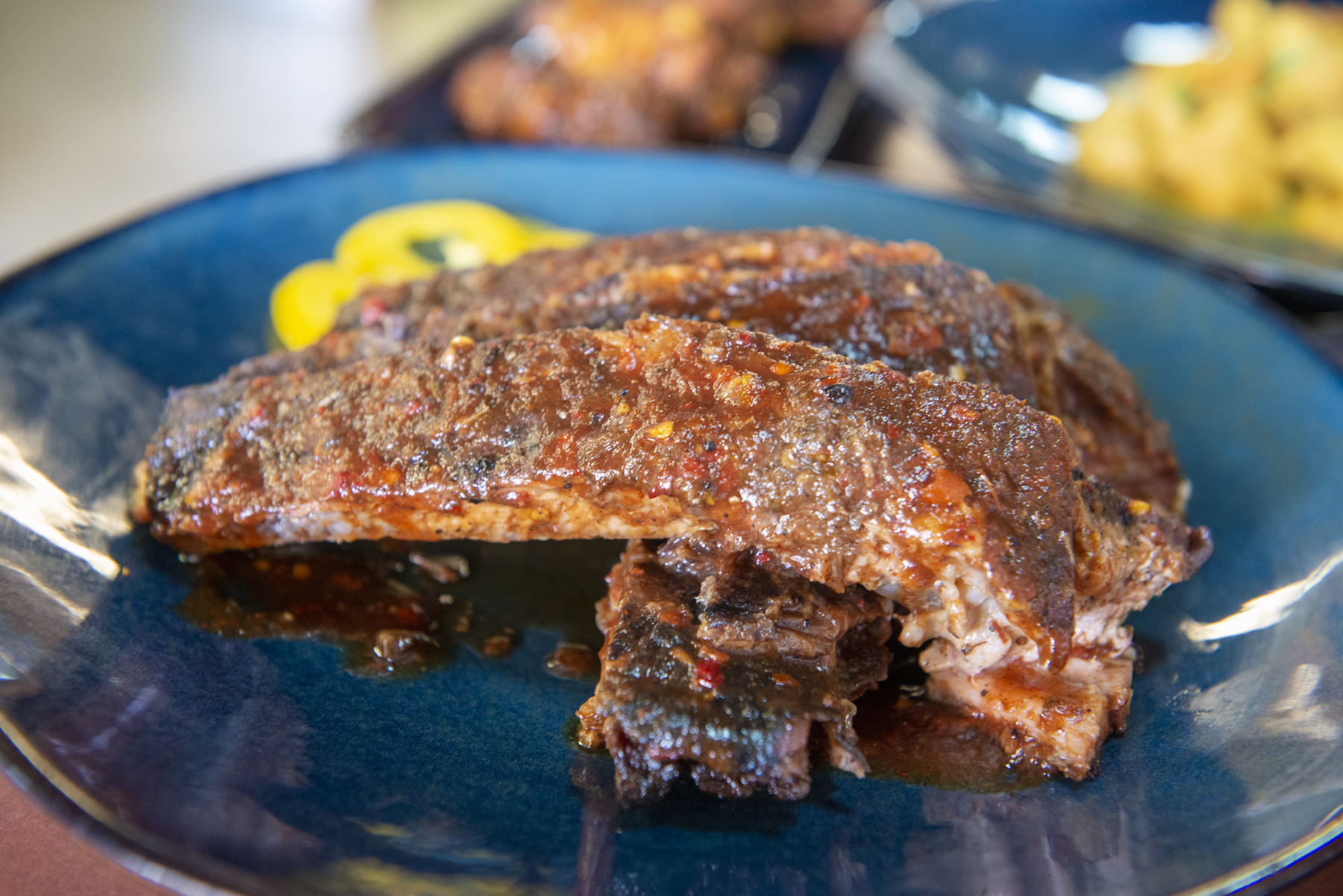
Denver is not the first American city people associate with Caribbean cooking. Most diners picture South Florida, parts of New York, maybe pockets of Atlanta or D.C. First. That is exactly why the Jamaican food scene here feels so satisfying when you find it. It is not sprawling or obvious. It is something you seek out, then return to because the food delivers the kind of depth and comfort that survives trend cycles.
That matters in a city like Denver, where restaurant culture can lean heavily toward the new, the polished, and the mountain-casual version of global food. Jamaican cooking asks for something different. It asks for patience, smoke, spice, and a respect for dishes that were never meant to be rushed. A good plate of jerk chicken, curry goat, oxtail, or rice and peas should feel layered rather than loud. The heat should be there, but so should sweetness, herbs, allspice, thyme, scallion, ginger, and the slow richness that comes from proper stewing.
For anyone searching for jamaican food denver, the real reward is not simply checking a cuisine off a list. It is finding food with personality, food that carries migration stories, family habits, and regional technique into a city better known for green chile, craft beer, and brunch. Denver may be far from Kingston in distance and climate, but the right kitchen closes that gap fast.
What makes Jamaican food distinct
Jamaican food is often flattened into a few familiar dishes, especially in cities where the cuisine is still gaining a broader audience. Jerk gets treated like a generic seasoning. Curry gets compared lazily to Indian or Thai versions without context. Patties become a quick snack and nothing more. Those shortcuts miss the point.
Traditional Jamaican cooking reflects a long, complicated history of African, Indigenous, European, and Asian influence. You taste that history in the pantry and in the methods. Scotch bonnet peppers bring fragrant heat rather than one-note fire. Allspice, which grows in Jamaica, gives jerk much of its signature warmth. Thyme is everywhere. Coconut appears in both savory and sweet applications. Browning sauce adds color and bittersweet depth to stews. Pimento wood, when used for jerk, contributes a flavor that is hard to replicate with standard grilling alone.
Texture matters as much as spice. Rice and peas should be tender and aromatic, not mushy. Plantains should land in that ideal zone where the edges caramelize and the middle stays soft. Festival, the slightly sweet fried dough often served with fish or jerk, should be crisp outside and pillowy inside. Oxtail should surrender to the fork but still taste like it came from a real braise, not a shortcut pressure-cooked batch with sauce thrown on afterward.
That is why good Jamaican food in Denver stands out so clearly when you find it. It has to be made with intention. You cannot fake the difference between a pot that simmered long enough and one that did not.
Why Denver diners have warmed to Caribbean flavors
Denver has become more adventurous at the table over the last decade, but not in a simple, linear way. Diners here still love familiar formats. Tacos travel well. Pizza always works. Burgers never disappear. Yet there is also a stronger appetite for regional specificity than there used to be. People want to know whether a dish is Haitian, Trinidadian, Jamaican, Puerto Rican, or Cuban rather than accepting a vague “island” label. That curiosity has helped Jamaican cooking earn more loyal attention.
Another factor is the city’s pace. Denver is active, busy, and full of people who spend weekends hiking, skiing, biking, and generally acting like they need deeply satisfying food afterward. Jamaican cooking fits that appetite. It is robust without being dull. Even a simple lunch plate can feel restorative. Brown stew chicken with gravy over rice, cabbage on the side, and a piece of fried plantain makes sense in a town where people want food that actually feeds them.
There is also a practical side. Many diners who first try Jamaican food in Denver are introduced through takeout or food trucks. The cuisine travels better than a lot of restaurant food. Jerk chicken keeps its flavor on the ride home. Patties reheat well. Rice and peas can hold for a bit without turning into disappointment. That has made Jamaican food especially approachable in a spread-out metro area where many people still drive across neighborhoods for meals worth chasing.
The dishes worth understanding before you order
If you are new to Jamaican food, the best approach is not to order the hottest thing on the menu just to prove a point. Start with dishes that show the kitchen’s range. Jerk is essential, yes, but it should not be the only test.
Jerk chicken is the obvious benchmark. At its best, it balances smoke, char, chile heat, sweetness, and herbaceous notes. The meat should be seasoned all the way through, not just coated on the outside. In Denver, where some kitchens work around equipment limits or local regulations, the smoke level may vary. Even so, the best versions still carry that dark, spiced complexity that makes you pause after the first bite.
Oxtail is where many kitchens reveal their seriousness. It is not a cheap dish to produce, and it should not taste cheap. Good oxtail has a glossy, savory gravy with enough body to coat rice without drowning it. The meat should be tender but not shredded into stringy submission. This is the plate that regulars tend to judge hardest because it exposes whether the kitchen knows how to build flavor over time.
Curry goat is another standard bearer. Jamaican curry powder has its own profile, often deeper and toastier than what some diners expect. The sauce should taste developed, with spice and aromatics integrated into the meat rather than sitting on top of it. Goat, when done right, rewards slow cooking. It should have a clean, slightly earthy flavor, not the gamey harshness people sometimes fear.
Escovitch fish deserves more attention than it gets in inland cities. The dish pairs fried fish with a bright topping of pickled vegetables, usually including peppers, onion, and carrot. It is a smart order if you want something lively and textured rather than deeply stewed. In a city as landlocked as Denver, the quality can vary depending on sourcing and turnover, but when a kitchen takes it seriously, escovitch is one of the most balanced meals on the menu.
Patties are easy to underestimate. A proper beef patty has a flaky, lightly stained crust and a filling that is seasoned, moist, and peppery without turning greasy. They are quick, affordable, and often the first thing people try. They are also surprisingly revealing. A bad patty tastes like convenience food. A good one tastes like care.
What to expect from Jamaican restaurants in Denver
Anyone searching for Jamaican food in Denver should calibrate expectations a bit. This is not a city where every neighborhood has a longstanding Caribbean strip with multiple generations of competition. The scene is smaller. Some operations are family-run. Some have limited menus on certain days. Some sell out of favorites before dinner rush is over. In my experience, that is not a flaw. It is often a sign that the kitchen is cooking to its actual capacity rather than pretending to offer everything all the time.
Menus may also reflect adaptation. Not every Denver restaurant has easy access to the same ingredients a cook would use in Jamaica or in bigger East Coast Caribbean markets. That affects produce, specialty spices, and certain cuts. Smart operators adjust without stripping the food of identity. Maybe the fish offering changes with supply. Maybe a side rotates. Maybe the jerk profile shifts slightly depending on how they manage smoke and marinade at altitude. The key question is whether the food still tastes coherent and rooted.
Service style can vary too. Some places are warm and conversational. Others are brisk, especially during busy takeout periods. It helps to approach the experience with flexibility. If a dish takes time, that usually means it is worth waiting for. If a server steers you toward what is freshest that day, listen. Restaurants serving food from scratch often know exactly which tray just came out best.
The challenge and charm of Jamaican cooking at altitude
Denver’s altitude changes cooking in ways that outsiders often dismiss until they work in a kitchen here. Boiling points shift. Moisture loss behaves differently. Braises and beans can require more attention. Frying can be temperamental. Baking a proper patty crust or getting festival just right can be trickier than it sounds.
That does not mean altitude ruins Jamaican cooking. It means the cooks who do it well have adjusted through experience. They know when to extend a simmer, when to cover more tightly, when to refresh moisture, and when to let a sauce reduce longer for concentration. It is the kind of behind-the-scenes calibration diners rarely see, but they taste the results.
Jerk presents a separate issue. The iconic version traditionally relies on techniques and materials that are not always practical in Denver restaurant settings. Pimento wood is not something every kitchen can use freely. Outdoor cooking, smoking setups, and health department constraints all play a role. So when you find a Denver kitchen producing jerk with real depth, a little char, and balanced seasoning, appreciate the craft involved. It often takes more work here than people realize.
How to spot the good places from the merely decent ones
Not every plate labeled Caribbean will satisfy someone who knows the cuisine. Denver has enough food-savvy diners now that standards matter. The strongest Jamaican spots tend to share a few traits.
- The menu is focused, not bloated.
- The sides matter as much as the mains.
- Heat is balanced with flavor.
- Stewed dishes taste rested, not rushed.
- Regulars clearly know what to order.
A focused menu usually signals confidence. If a restaurant tries to represent half the Caribbean plus soul food plus generic American fare, something often gives. There are exceptions, especially with family businesses serving what the community wants, but breadth should not come at the expense of execution.
The sides are another giveaway. Rice and peas should smell like coconut, thyme, and seasoning. Cabbage should not feel like an afterthought steamed to surrender. Macaroni and cheese, where offered, should have character. Plantains should not be pale and sad. Kitchens that care about these details almost always care about the proteins too.
Regulars tell you plenty. If you hear people debating between curry goat and oxtail, or asking whether the soup is on today, you are probably in the right place. If everyone is ordering only wings and fries, the restaurant may be serving a broader market more than preserving a Jamaican point of view.
Pairing the meal properly
Jamaican food is deeply satisfying on its own, but pairing matters more than people think. A cold sweet-tart drink can steady the heat and lift the meal. Sorrel, with its spiced hibiscus character, has enough brightness to cut through rich stews. Ginger beer adds snap and a little medicinal fire of its own. Ting, the grapefruit soda beloved in Jamaica, works particularly well with salty, smoky jerk.
Dessert is often where non-Caribbean diners miss an opportunity. Rum cake can be excellent, but do not overlook sweet potato pudding or coconut drops when available. These desserts often carry the same practical generosity as the main dishes. They are not plated for spectacle. They are made to satisfy.
If you are ordering for a group, the smartest move is variety. Jamaican cuisine reveals itself best across contrasts, one smoky dish, one braised dish, one fried or pickled element, and enough sides to pull everything together. That kind of spread explains the cuisine better than four orders of jerk alone ever could.
Neighborhoods and formats that shape the experience
Denver’s food geography matters. Some of the most interesting meals in the metro area come from small storefronts, market-adjacent operations, or mobile vendors that rely on community support more than tourist foot traffic. You may find a stronger plate in a modest strip center than in a polished central dining district, and that has always been true of many regional cuisines.
Food trucks and pop-ups play an important role in Jamaican food here. They lower overhead, let cooks test demand, and create a path to loyal followings without the pressure of a full brick-and-mortar buildout. The trade-off is inconsistency in schedule and availability. That can be frustrating if you are craving curry goat on a Tuesday and the truck is only out on Saturdays. It can also create some of the best meals in town, because cooks can concentrate on a tighter menu and a shorter service window.
Denver diners who want the best Jamaican food often need a slightly different mindset than they would bring to a conventional night out. A little planning helps. So does paying attention to social updates, weekend specials, and seasonal changes. The scene rewards people who are willing to follow the food rather than waiting for it to become maximally convenient.
Ordering well if it is your first time
If you have never eaten Jamaican food before, there is a simple way to build a meal that gives you a real sense of the cuisine without overwhelming you.
- Start with a patty if the restaurant makes them in-house.
- Choose either jerk chicken or brown stew chicken for your first main.
- Get rice and peas, not plain white rice, if given the option.
- Add plantains or cabbage for contrast.
- Ask about the heat level instead of assuming.
That approach gives you a broad picture. The patty shows whether the kitchen respects basics. The main dish gives you either smoke and spice or gravy and comfort. Rice and peas brings in the aromatic side of the cuisine. Plantains or cabbage keep the meal from becoming one-note. And asking about heat is just smart. Some Denver kitchens temper spice for a wider audience, while others do not apologize for it.
One mistake I see often is people ordering the most expensive braised dish first, then deciding they do not “get” Jamaican food because the richness feels heavy. Oxtail is wonderful, but it can be intense if you have no reference point. Start with something a little more approachable, then circle back. Your second visit is where the menu usually opens up.
The role of community in keeping the cuisine strong
Jamaican food scenes outside traditional hubs survive on more than casual curiosity. They need repeat customers, cultural pride, and enough local support to make labor-intensive cooking financially viable. This is especially true in cities where rent, staffing, and food costs put constant pressure on independent restaurants.
What keeps Jamaican food meaningful in Denver is not just novelty. It is community. People come for a taste of home, yes, but also for celebration meals, family gatherings, and the comfort of flavors tied to memory. Newcomers feel that atmosphere too. Even if you did not grow up eating these dishes, a room centered on food this soulful tends to communicate itself quickly.
That community role is worth remembering when judging speed, polish, or presentation by generic foodie standards. Some of the best cultural food in any city is not optimized for trend-driven diners. It is optimized for truth. The portions are generous because generosity matters. The menu is stable because those dishes anchor people. The décor may be simple because the kitchen is doing the heavy lifting.
Jamaican food in Denver is still evolving
The future of Jamaican food in Denver likely looks broader rather than more standardized. Some cooks will stay close to traditional plate lunches and dinner combinations. Others will branch into modern formats, sandwiches, brunch dishes, fusion specials, or chef-driven tasting ideas rooted in Jamaican flavors. Both paths can work if the cooking remains honest.
What should not get lost is the cuisine’s integrity. Jerk should still taste https://ameblo.jp/paxtonaawg714/entry-12979651842.html like jerk, not just grilled chicken with hot sauce and sugar. Curry should still have depth. Patties should still flake. Rice and peas should still smell inviting before you even take a bite. The more Denver diners learn these distinctions, the stronger the scene becomes.
For anyone actively hunting down jamaican food denver, the city offers something more interesting than a large but diluted market. It offers discovery. You may need to drive a bit, wait a bit, or order before a favorite dish sells out. But when the plate arrives hot, fragrant, and unmistakably rooted in Caribbean tradition, Denver feels a lot smaller and the distance to Jamaica feels a lot shorter. That is the pleasure of a serious food city maturing. It makes room for cuisines that demand patience, memory, and appetite, then rewards the people curious enough to seek them out.
Reggae Pot Jamaican Grill
Address: 2243 S Monaco St Pkwy #104, Denver, CO 80222
Phone number: +17204102956
FAQ About Jamaican Food Denver
What is typical Jamaican food?
Typical Jamaican food features bold, vibrant flavors created by blending African, Taino, European, and Asian influences.
What is a famous Jamaican dish?
Ackee and saltfish is Jamaica's national dish, made by sautéing the soft local ackee fruit with salted cod, onions, tomatoes, and spicy Scotch bonnet peppers.
What food is most popular in Jamaica?
The most popular and famous food in Jamaica is Jerk Chicken, celebrated worldwide for its smoky, spicy flavor.